

Post Reading Time – 28 Minutes
Buying or selling a small content website sounds easy until you actually try to do it. Many platforms out there feel unclear, risky, or prefer to take on much bigger deals, which leaves those people with smaller sites a little unsure where to turn. After doing a bit of searching, one question keeps coming up again and again. Is Motion Invest worth it? The name shows up often in Facebook groups, forum threads, and Reddit discussions around starter websites and lower-priced listings, which only adds to the uncertainty for many people.
This review of Motion Invest is based on my careful research and a close look at how the platform operates. I go through what Motion Invest is set up to handle, the types of sites you’ll see there, how buying and selling works, and the areas that deserve a closer look before making any decisions.
The aim is to help you decide if Motion Invest is worth your time for your own situation, without giving you sales talk or me making assumptions.
You can also take a look at the Motion Invest website here if you want to see what they offer directly.
Summarize This Content Using AI
TL;DR
Is Motion Invest worth it
This review will show you what Motion Invest offers as a site-buying platform, how the it works, and what types of sites you might find there. It goes into the main features, the experience of using the platform, and what you should understand before getting involved. That way you get a clear picture of Motion Invest so you know what to expect if you decide to use it.
A Quick Summary Of Motion Invest
- Product name – Motion Invest.
- Founded – Motion Invest launched in 2019 and was set up by people with hands-on experience building, buying, and selling content sites.
- Main focus – Smaller content websites such as blogs, niche sites, and affiliate sites. The platform does not handle ecommerce stores, SaaS products, agencies, or service-based businesses.
- Marketplace scope – Most listings sit under $10,000, with the wider marketplace staying below $50,000 in most cases.
- Types of properties – Content-driven websites and, more recently, YouTube channels. Listings usually rely on search traffic, ads, affiliate links, or a combination of income sources.
- Ownership model – Some sites are owned and resold directly by Motion Invest, while others are listed on behalf of individual sellers.
- Pricing structure – Many listings use a Dutch auction system where prices drop over time until a buyer commits or the minimum price is reached.
- Expansion – YouTube channels were added to the marketplace in late 2024, widening the type of content properties available.
This gives a clear picture of what Motion Invest is built for and the type of buyers and sellers it attracts, before getting into how the platform works in more detail.

Motion Invest marketplace branding shown for reference.
What Types of Sites Are Bought and Sold on Motion Invest?
Motion Invest deals with content websites. That usually means blogs, niche sites, affiliate projects, and more recently, YouTube channels. Most listings are small to mid-sized sites, not finished projects that already produce steady income without any ongoing work.
Some earn very little, others bring in a few thousand per month, and are built around content and traffic, not operations or client work.
This is not a place for ecommerce stores, agencies, software products, or service-based businesses. The marketplace is designed for websites that grow through publishing content, attracting visitors, and monetising that traffic through ads, affiliate links, or a mix of income sources.
If that doesn’t appeal to you, Motion Invest will feel limiting very quickly.
The sites you’ll see here are often early-stage or somewhere in the middle. Many still need work, while others are ticking along at a modest level. For buyers, this keeps the entry cost lower and makes it easier to get involved without having to put a large amount of money on the line. It also leaves some room to experiment, improve the content, or change how a site will earn money after the purchase.
For sellers, especially those with smaller or newer sites, Motion Invest offers a place where those projects are taken seriously. So instead of struggling to get attention somewhere else, these sites sit alongside other similar listings aimed at the same type of buyer.
As a result, sites attract buyers faster and the sale process stays fairly straightforward. That’s good for people dealing with content sites rather than large, established businesses.
How Motion Invest Is Structured
Motion Invest doesn’t operate like a traditional broker. The marketplace is built around two different types of listings, and that affects how sites are priced and sold.
- Platform-owned listings – These are websites that Motion Invest has bought outright and later listed for sale. In the early days, this made up a larger part of the marketplace. These days, they’ve moved more towards listing sites on behalf of individual sellers rather than holding as much inventory themselves.
- Brokered listings – These sites belong to independent sellers. Motion Invest steps in to manage the sale, handles communication between both sides, and takes a commission once the deal is completed.
Another part of the structure I noticed is the pricing. Instead of sticking to a fixed asking price, many listings use a Dutch auction system. A site starts at a higher price, and that price drops at set intervals until someone commits or the minimum price is reached.
For buyers, this creates a watch-and-wait situation. You can keep an eye on a listing and step in when the price feels right, knowing that waiting too long might mean someone else steps in first.
For sellers, it removes long negotiations and keeps things moving without constantly going back and forth.
Overall, this keeps activity steady on both sides. Sites get visibility quickly, buyers stay involved, and sales usually move along without dragging on for long periods.
How Motion Invest Makes Money
Motion Invest mainly earns money through commissions when a website sells. If you’re selling, that fee comes out of the sale price. If you’re buying, you’re paying the listing price, and the seller usually covers the marketplace fee.
They also support the sale process, including escrow handling and the transfer side of things, which is part of what the commission is paying for.
It’s worth knowing this upfront because it explains why smaller sites tend to have higher commission rates than bigger deals. The work involved is similar either way, even when the sale price is low.
How Motion Invest Checks Sites Before Listing
One thing I like about Motion Invest is that the listings don’t go live without being reviewed first. Every site is checked manually, which helps filter out a lot of the obvious junk before buyers ever see it.
Here’s what that review process usually looks at.
- Traffic sources
They check where visitors are coming from to make sure the traffic looks genuine. For most listings, that means search traffic rather than bots or artificial spikes. - Revenue proof
Income claims are backed up with screenshots from affiliate dashboards, ad networks like AdSense or display ads, Stripe, or other monetisation platforms tied to the site. - Backlinks
There’s a basic review of the link profile to look for spam, private blog networks, or patterns that could cause trouble later. Sites with clear penalties or major red flags usually don’t make it through. - Content originality
Tools are used to spot copied, spun, or scraped content. Sites that rely heavily on reused material are more likely to be rejected. - General risk checks
Sudden traffic drops, recent penalties, or signs a site was flipped too quickly are usually flagged during review.
All this helps keep obvious scams and low-effort listings out of the marketplace. That said, it doesn’t replace your own checks. Buyers still need to look at how the site has been doing, go through the content carefully, and decide what matters for their own plans.
Even with manual checks, things like slow traffic decline, lost links, or past SEO tricks can slip through the net. That’s why it’s worth taking your time, reading the listing carefully, and messaging the seller if something doesn’t feel clear before moving ahead.
Buying a Site Through Motion Invest
Browsing Listings
To see the full details on any site, you’ll need to create a free account. Once you’re in, listings are easy to scan and you can sort them by price range, income type, or the estimated monthly traffic.
Each listing usually includes an overview of the site so you can get a feel for it before going any further. You’ll normally see the traffic and income figures, how the site earns money, and screenshots to back up those claims. Sellers also answer common questions about the site, such as the ongoing time needed to maintain it, which pages bring in the most visitors, and whether anything major has changed recently.
There’s also a private messaging option, which lets you ask the seller direct questions before making a move. That alone can clear up a lot of uncertainty people sometimes have early on.
Making Offers
If a site looks interesting, you can submit an offer. In many cases, you don’t have to stick to the listed price. Since a lot of sites use a Dutch auction system, you can also wait and watch as the price drops.
That said, waiting always comes with a risk. Someone else might step in before you do, so it often comes down to deciding what price you’re comfortable paying and acting when it feels right.
Paying and Closing
For smaller sites under $2,000, payment is usually made in full straight away. For the higher-priced sites, a non-refundable deposit is normally required, with the remaining balance to be paid as the deal moves towards completion.
Motion Invest handles the transaction from that point on. Payments go through escrow, the domain is transferred, and the site files are moved across. Migration support is included, although there’s a limit on how much content is moved at no extra cost.
Migration time can vary, but support is available to help with things like the hosting access, domain settings, and any basic setup questions. From what’s outlined during the buying process, buyers can reach out for help along the way, even with simple issues.
That can make the handover feel less daunting for someone taking over a website for the first time.

Selling options displayed on the Motion Invest website.
Selling a Site on Motion Invest
Submitting Your Site
There are no upfront fees to list a website, which makes the entry barrier low. To get started, you submit your site details through a short form along with access to analytics and proof of income where available.
Once submitted, the Motion Invest team reviews the information, checks the traffic data, and verifies the main details. If the site meets their criteria, it’s approved and listed on the marketplace. A short exclusivity period usually applies at the start. After that, sellers can review their options if the site hasn’t been sold.
Commission Structure
Motion Invest only takes a fee if your site sells. There’s no charge just for listing it.
Commission is tiered based on the sale price. Smaller deals carry a higher percentage, while larger sales come with lower fees. For sites under $10,000, the commission is usually around 20 percent. As the deal size increases, that percentage drops, with larger sites paying closer to 5 percent.
For smaller site owners, the higher cut is often balanced out by quicker sales and not having to pay anything upfront. Larger sites benefit from reduced fees, which keeps the structure reasonable across different deal sizes.
What’s Included
When your site is listed, Motion Invest handles most of the heavy lifting during the sale. This includes answering buyer questions, managing communication, preparing the paperwork, and handling payment through escrow.
They also assist with transferring the site to the new owner. For most standard content sites, this support is included. If a site is unusually large or has more complex needs, additional migration help may involve an extra fee, but that’s not something most smaller listings run into.
Fees, Costs, and Marketplace Visibility
Fees and visibility are usually where people stop and start asking more questions.
With Motion Invest, both are fairly open, which can be reassuring but also worth understanding properly before you list a website or start browsing seriously. This part looks at how the costs are handled and how visible listings are inside the marketplace.
- Who pays what – Buyers pay the listed price for the site. Sellers cover the commission. There are no upfront listing fees.
- Commission ranges
- Sites under $10,000 usually fall in the 15 to 20 percent range
- Mid-range sales also sit closer to 10 to 15 percent
- Larger deals can drop to around 5 percent
- Extra costs to be aware of – Most content sites don’t incur additional fees. Extra charges can apply if a site has a very large content library or unusual technical requirements during migration, so larger sites should check this in advance.
- Listing visibility – Site URLs are visible to anyone with a free Motion Invest account. Supporting details like traffic sources and seller FAQs are also accessible within the marketplace.
- What that visibility means – For smaller sites, this openness usually helps attract interest faster. It does mean your niche and site setup are visible to other buyers, so anyone listing a higher-value site should weigh up visibility against privacy.
Taken together, the fee structure and open listings give Motion Invest a very transparent feel. For smaller content sites, that often works in your favour by bringing in quicker interest. For larger or more sensitive projects, it’s simply something to be aware of before listing, rather than something to put you off.
Inspection Periods and Buyer Protection
Inspection periods on Motion Invest usually depend on the size of the deal. For higher-priced sites, usually in the upper five-figure range, there’s a short window after the sale where buyers can check that traffic and earnings line up with what was listed before the funds are released.
Smaller deals, especially those under $5,000, don’t always come with that same inspection window. Because of that, it’s important to read the listing carefully and understand what protections apply before sending your payment.
All transactions go through escrow, and the funds aren’t released until the website has been transferred and the migration is completed. If anything about the process isn’t clear, it’s worth asking questions upfront or checking directly with the Motion Invest team so you know exactly where you stand on a specific deal.

Listing layout on the Motion Invest marketplace as shown at the time of review.
Marketplace Character and What You’ll Actually Find
Most listings on Motion Invest are starter or early-stage sites. You’ll see a lot of smaller content sites that are still being built out, along with some that are already earning at a modest level.
What you won’t usually find are fully hands-off websites that run themselves without any further effort needed.
At any given time, there are usually dozens of active listings. Some sit for a while, while others attract interest quickly once they go live. The marketplace is good for buyers who are comfortable stepping in early, improving existing content, and shaping how a website earns money instead of expecting everything to be finished from day one.
A common thing that happens here is buyers pick up more than one small site instead of putting all their money into just one. That gives people room to learn, try different ideas, and build their experience across multiple projects rather than relying on one website to do everything.
Common Mistakes Buyers Make on Motion Invest
One thing worth mentioning is that a lot of disappointment doesn’t come from the platform itself. It usually comes from people’s expectations.
A common mistake is buying a website based only on the current income number. A site might be earning a few hundred dollars a month, but if the traffic is slipping or the content needs work, that income can drop quickly once you take over.
Another issue is ignoring the quality of the content. Some sites look fine at a glance, but when you read through the articles properly, you can see rushed writing or outdated information. That means more work than you may have expected.
Some buyers also assume the traffic will stay stable. In reality, search traffic can move up or down depending on updates, competition, and how well the site is maintained.
And finally, there’s the expectation that a site will run itself. Most listings on Motion Invest need input after the purchase. If you’re not planning to improve the content or keep an eye on performance, you may not see much change.
None of these are Motion Invest problems. They’re part of owning a content website. But knowing this from the start will make it easier to decide if the platform is worth it for you.
A Quick Buyer Checklist Before Purchasing a Site
Before making an offer on Motion Invest, I’d personally go through a few basic checks.
- Look at traffic over several months, not just the current number – Is it steady, rising, or slipping?
- Open a few of the top pages and read them properly – Are they actually useful or low quality and rushed?
- Check how the site earns money – Is income coming from one source, or is it spread out?
- Look at the backlink profile – Are links natural, or do they look forced?
- Think about what you would actually change after buying it – If nothing comes to mind, you might be overpaying.
And finally, ask yourself one simple question.
Would you be happy working on this site for the next six months?
If the answer is no, walk away.
Buyer Experience in Detail
Motion Invest appeals to people buying a website for the first time, mainly because the process is laid out in a simple way. The buying steps are explained clearly, so you don’t need much prior experience to follow what’s happening.
Support is available during the handover phase, including hosting access, domain changes, and getting the site live under the new ownership.
That can help reduce uncertainty, especially for someone who hasn’t taken over a website before.
Motion Invest is better for buyers who are happy being involved after the purchase. The sites listed often need updates, content work, or changes to how they earn money. This suits people who want to learn by owning a site, rather than expecting everything to be finished from day one.
It’s not really for people looking for a hands-off website that runs without any attention. Instead, the platform is best for buyers who want room to improve a website and are comfortable taking responsibility once the sale is complete.
Seller Experience and What to Expect
For sellers, Motion Invest is good for keeping the selling process quick and straightforward. Smaller content sites often move fairly quickly once they’re listed, without repeating the same details to different buyers.
Sale prices are usually lower, but sites tend to move faster and with fewer steps involved. For sellers who just want to list, sell, and move on without paying anything upfront, that’s often enough.
The communication side of things is handled through the platform, paperwork is prepared as part of the process, and the payments are managed through escrow once a deal is agreed.
For lower-priced sites, the commission percentage can feel a little high, especially in the one to five thousand range. That said, many sellers see it as the cost of a faster sale without paying anything upfront.
Overall, Motion Invest is good for sellers who want speed, clarity, and low commitment over holding out for the highest possible price. It works best for smaller website owners who want to test the market or move on from a project without having complications.
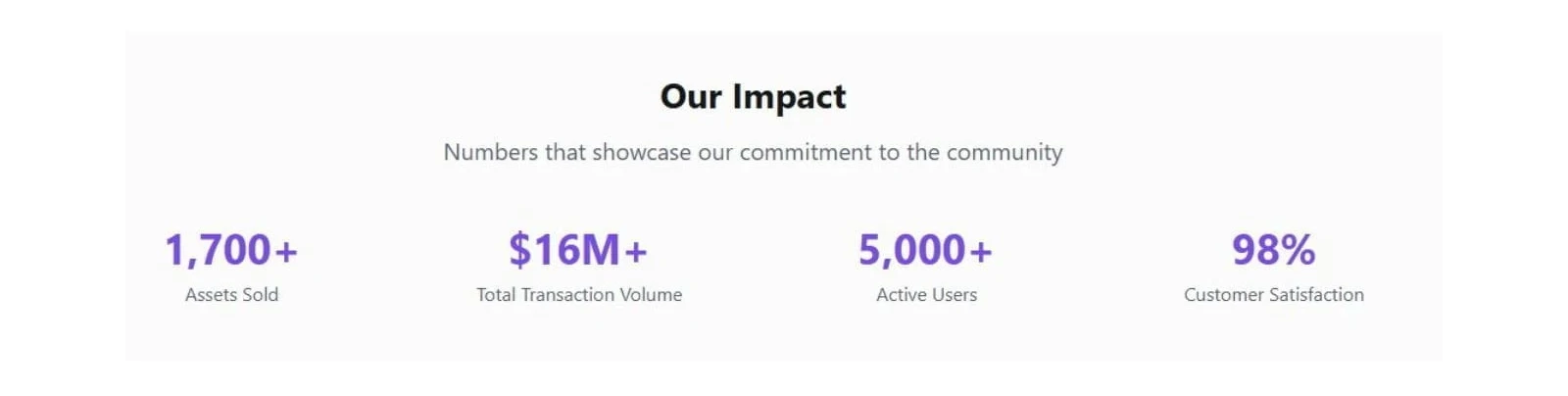
Company-reported marketplace statistics as displayed on the Motion Invest website.
Motion Invest’s Reputation and What Others Say
Motion Invest hasn’t been around as long as some of the older marketplaces, but it’s picked up a good name from people dealing with smaller content sites. The team behind it has direct experience building and selling websites, which comes through in how the platform works and is talked about.
They also publicly list their founders, transaction volume, and marketplace statistics, which gives buyers and sellers a better idea of who is operating the platform behind the scenes.
You won’t find Motion Invest reviews everywhere online, especially compared to the larger marketplaces. Most feedback comes from niche site builders, forum discussions, and a small number of detailed write-ups rather than widespread coverage.
What people usually like
- The buying and selling process feels clear and easy to follow.
- Smaller sites don’t get ignored the way they sometimes do elsewhere.
- It’s good for beginners who want to learn by owning a website.
- Transactions usually move along fast without dragging on.
Things people often mention as a warning
- Buyers still need to do their own homework, as some issues aren’t obvious at first glance.
- Not every decline or past issue is clearly visible in a listing.
- The auction-style pricing doesn’t suit everyone.
- Fully hands-off websites are rare.
Case Studies and Results
There are plenty of shared stories from buyers and sellers who’ve used the platform. Some buyers have turned very small purchases into much larger projects by putting time into content updates, links, and site improvements. Others who bought a site and didn’t make changes often saw little movement after the sale.
This is pretty consistent as the results tend to reflect the effort put in after buying, along with the condition of the site at the start.
Who Should Use Motion Invest
Motion Invest is good for people who want to get hands-on with a website rather than sit back and expect everything to run on its own. It also suits first-time buyers who want to learn by owning a site, making changes, and seeing how content, traffic, and income actually go together in practice.
Because most listings are smaller, it’s possible to get started without putting a large amount of money on the line.
It also makes good sense for people who want to build up a small collection of content sites or try out different ideas without committing everything to one project. The platform attracts buyers who are comfortable improving content, adjusting how a site earns money, and taking responsibility after the sale rather than expecting a finished product.
On the selling side, Motion Invest works for owners of smaller content sites who want a simple way to list and sell. It’s useful if the goal is to move a site on without a long waiting period or upfront costs.
If that sounds like your situation, Motion Invest is likely to be a good option to consider.
Who Motion Invest May Not Be Right For
Motion Invest isn’t ideal for everyone. Sellers who want the highest possible price from a large or established website may find the platform limiting. The structure is better suited to smaller projects, and the sale prices reflect that.
It may also be a poor choice for anyone who needs a high level of privacy. Site URLs and basic details are visible to registered users, which won’t suit sellers working in sensitive niches or those who prefer to stay anonymous.
Buyers looking for a website that requires little to no involvement after the purchase are also likely to be disappointed. Most sites need ongoing attention, updates, or changes for them to move forward.
Finally, owners of ecommerce stores, software products, agencies, or service-based businesses will find that their sites don’t fit what the marketplace is built to handle.

Frequently Asked Questions – FAQs
Yes, Motion Invest is a real marketplace that connects buyers and sellers of content websites. Listings are reviewed before going live, and transactions go through escrow so funds aren’t released until the site transfer is completed. While that doesn’t remove all risk, it does help filter out obvious low-quality or misleading listings.
Motion Invest is often used by first-time buyers because the listings are smaller and the buying steps are clearly laid out. That said, most sites still need ongoing work after purchase, so it’s better suited to beginners who want to learn by owning and managing a site rather than expecting a hands-off setup.
Smaller sites can move fairly quickly once a buyer commits. The exact timing depends on payment, domain transfer, and migration steps, but many deals don’t sit open for long if they’re priced reasonably and meet buyer expectations.
Buyers pay the listed price for the site. Sellers cover the commission. Extra costs only come up if additional migration help is needed beyond what’s included, which is usually only an issue for larger or more complex sites.
Motion Invest can be worth considering if you’re dealing with a smaller content site, either as a buyer or a seller. The platform is built around modestly priced listings, which keeps entry costs lower and avoids long sales processes. It’s less suitable for large or highly private projects, but it fills a clear gap for smaller websites.
My Experience With Website Buying and Selling
I haven’t personally bought or sold a website through Motion Invest. My review is based on careful research into how the platform operates, combined with my own experience buying, building, and selling content websites over the years.
Working with content sites teaches you how traffic, revenue, and the quality of a website really connect. You learn what makes a listing attractive, what red flags to watch out for, and how marketplaces structure deals behind the scenes. Having that background helps me look at Motion Invest properly, rather than just repeating what the platform says about itself.
I also know people who have bought and sold websites through different marketplaces, including smaller content deals, so I’m familiar with how these transactions play out in practice. After reviewing listings, studying how the auction works, and looking at how they verify sites, I have enough context to judge whether Motion Invest is worth it for smaller content website deals, even without using the platform directly.
Where Motion Invest Could Improve
There are a few areas where I think Motion Invest could make things a little clearer for buyers and sellers.
For buyers, a more detailed performance history on each listing would help. Longer traffic and revenue timelines would make it easier for people to see how stable a website really is. Clear notes about past search updates or visible warning signs would also give buyers a stronger starting point before doing their own checks.
A simple due diligence checklist built into each listing could also be helpful. Even experienced buyers appreciate structure, and newer buyers would benefit from having something to follow.
On the selling side, I personally think the commission rate for very small sites can feel a bit high. While it’s part of how the platform works, a slightly lower rate for the lowest price brackets might encourage more listings. Additional privacy options for higher-value sites could also attract those sellers who prefer a bit more control over what’s shown publicly.
That said, for smaller content website deals, most of the essentials are already covered. The system works for what it’s designed to handle.
Alternative Marketplaces to Check Out
If you’re comparing options and wondering if Motion Invest is worth it, it’s a good idea to look at a few other platforms as well. Each marketplace has a slightly different type of buyer and seller, so the right one often depends on the size and type of website involved.
Empire Flippers
This one deals with larger, more established websites. Most listings start at a much higher level than what you’ll see on Motion Invest. The vetting process is detailed, and the sales process can take longer, but it’s aimed at bigger deals.
Flippa
Flippa has a huge number of listings across many categories. You’ll find everything from starter blogs to ecommerce stores. Because anyone can list here, buyers need to do more of their own checks. It offers volume, but not every listing is deeply reviewed.
FE International and Quiet Light
These platforms are for the higher-value websites and businesses, often in the six-figure range and above. They’re structured more like traditional brokers and deal with larger, established projects rather than smaller content sites.
The Website Flip
The Website Flip operates in a similar price range to Motion Invest when it comes to content sites. It combines brokerage services with education and tools for buyers and sellers. It also has a community element, which appeals to people who want guidance alongside the deal opportunities.
Private groups and online communities
Sometimes you see deals appear in Facebook groups or private communities. While that can lead to opportunities, there’s usually no built-in escrow system or structured migration support, so the responsibility sits fully with the buyer and seller.
Looking at a few platforms side by side usually gives you a better picture. Pay attention to how listings are presented, how transparent the process feels, and how the fees are handled.
Most of the activity on Motion Invest involves smaller content sites. Bigger projects are generally handled on other platforms.
Wrapping Up – Is Motion Invest Actually Worth It?
If you’re dealing with smaller content websites and you’re wondering if Motion Invest is worth it, the honest answer is that it depends on what you’re expecting from it.
Most of the sites listed aren’t finished projects. They’re small blogs, niche sites, or early-stage websites that need work. That’s not a bad thing. It just means you’re usually buying something you’ll need to improve, not something that runs on its own once it’s yours.
For sellers, it’s a good way to move a smaller site without a long process or upfront fees. You’re unlikely to see big sale prices, but you can get a deal done without it dragging on.
It’s not a platform for large business sales or for people who want everything handled behind closed doors. It’s built around smaller content sites, and it sticks to that.
At the end of the day, the result comes down to the site itself and what you do with it after the sale. The platform is just the place where the deal happens.
If that suits you, it’s worth a look. But if you’re after something bigger or completely hands-off, you’ll probably want to look elsewhere.
If you’d like to see what’s currently listed, you can visit the official Motion Invest website and browse the marketplace yourself.
I hope this review has helped you get an idea of how the platform works and what to expect from it.
If you’ve bought or sold a site through Motion Invest, I’d be interested to hear how it went for you.
Thank you, and if you have any questions or thoughts, feel free to leave a comment below.
Chris
Quick Summary
Motion Invest is good if you’re dealing with smaller content sites and want a simple way to buy or sell without it turning into a long process. Most of the listings aren’t finished projects, so it suits people who are happy to step in, make improvements, and work on the site after taking it over.
It’s probably not the right place if you’re selling a large website, need everything kept private, or expect a site to run itself with no ongoing effort after you buy it.
My Overall Rating For Motion Invest Is 4 out of 5
Wealthy Affiliate
This is where my journey into the online world began, and it’s still the community I use for learning, tools, and support while working on my own projects.

About Chris Towers – Follow Me

My name is Chris Towers, and I run Affiliate Pro Solutions. I work with websites, content, and affiliate projects, and this website is where I share what I’ve learned from doing that work.
Most of what I write about comes from researching hosting companies, tools, and platforms that people use when building websites or trying to earn online. I look at how things are set up, what’s included, and where people often get caught out later.
I’m not connected to the companies I review beyond standard affiliate partnerships. This site does include affiliate links, but the aim here is to explain how the services work rather than push anyone into a decision.
You’ll find me on
Other Related Website Broker & Flipping Reviews
- The Website Flip Review What You Should Know Before Spending Money

- Is Motion Invest Worth It? An Honest Review

Just to be open with you, this page includes affiliate links. If you click on one of these links and make a purchase, I earn a small commission. There is no extra cost to you at all. This simply helps support the content I share here. Thank you for your support, it really is appreciated.
Hi Chris
I’ve seen Motion Invest mentioned a few times but never really looked into it properly. I hadn’t heard of the Dutch auction system before either. So something new for me here!
This looks and sounds interesting, but do you think it’s better to wait for the price to drop, or do most decent sites get snapped up quickly?
Thanks
Hi
Thanks for the comment.
The auction system really depends on the site. Some listings do get picked up quickly, especially if the price feels fair from the start.
If a site is average or priced a bit high, you’ll see buyers waiting to see if it drops. But there’s always that risk that someone else steps in first.
Personally, I think it comes down to knowing what you’re happy to pay. If it hits that number and you like the site, it’s usually better to act rather than keep waiting and miss out.
Chris
I’ve seen Motion Invest mentioned before but I never really understood how it worked until this.
The part about smaller sites still needing work is what got my attention and you explained it well. I guess it’s easy to assume you’re buying something finished when you’re not.
Good to have it all explained properly.
Thanks, I appreciate that.
Yes, that’s where people can misjudge it a bit sometimes. A lot of the websites are smaller and still need work, so if you’re only looking at the income number, it can give the wrong idea.
Glad it helped you out.
Chris