
Topic – Getting Started/Beginners
Post Reading Time – 24 Minutes
I’m fully aware of the frustration that comes with choosing a domain name. You think you’ve found one, you head off to register it, and then you hit the obstacle. The name is already taken. I’ve been through this more times than I can count with all of my different projects, and it always raises the same questions. Did I wait too long? Is the name gone for good? Do I need to rethink everything from the start? At this point it’s normal for people to start searching for answers and end up asking the same thing. What should I do if my domain name is taken?
To be honest with you, this is one of the most common problems people face when getting started online. But in most cases, there are simple and sensible ways to move forward without paying over the odds or settling for something that feels second best or something you’re not happy with.
In this post, I’m going to talk you through the options I’ve used myself and the same ones I’ve seen work for other people. They’re some practical ways to deal with a taken domain name and keep things moving instead of getting stuck in the early days of starting your business.
What to Do When the Domain You Want Is Already Taken
If the domain name you wanted is already taken, the best thing you can do is slow down before making an off-the-cuff decision. This usually isn’t the end of it, even though it feels like it in that moment.
Start by checking how the domain is being used. In many cases, it’s either parked or tied to a site that has nothing to do with what you’re planning to do. From there, you’ve got a few options. You can look at some small name changes, try a different extension, or decide if it’s better to move on and choose something new altogether. The main thing is not to let this one step stop you from making progress.
Get your full checklist to find your domain name!
What You’ll Learn From This Post
- What to do when the domain name you want is already taken – You’ll learn the steps to take first, including how to check how a domain is being used and when it’s worth looking further.
- How to decide whether a taken domain is worth chasing or not
This covers the pricing, ownership, expiry waiting, and when continuing to push just slows everything else down. - Simple ways to adjust a domain name without starting from scratch
You’ll see how small changes, different extensions, and abbreviations can open up good options without changing your idea. - Common domain name mistakes that cause confusion later on
This includes lookalike names, awkward spellings, hyphens, and choices that sound fine at first but create problems later. - How to move forward without letting the domain name block progress
You’ll understand why getting started matters more than finding a perfect name and how to make a good decision and move on.
Summarize This Content Using AI

Start Your Training
- Build Your Website & Earn Revenue
- Support, Tools & Training Included
- Complete with Business HUB
- Artificial Intelligence Writers
- My Personal Support
- No Risk Free Starter Account
- FREE BONUS AI CREDITS
TL;DR
What to do if your domain name is taken
If the domain name you want is already taken, you still have some options. You can try a variation of the name, check if the current owner might want to sell it, or choose a different extension that still goes with your topic. This post takes you through several paths you can go down so you don’t stall your progress just because the first choice wasn’t available.
First Things to Check Before Making Any Decisions About a Taken Domain Name
Looking Into Who Has the Domain and How It’s Being Used
When I find that a domain name I want is already taken, the first thing I do is type it straight into the browser and see what shows up. This one step usually tells you a lot.
Sometimes you’ll land on a real website. It might be a business site, a personal blog, or something that you can see is clearly being worked on. When that happens, it’s a good sign that the domain matters to whoever owns it.
In situations like that, trying to go ahead and buy the name often turns into a long process or an expensive one. In actual fact, the chances are in these cases the owner is not looking to sell it.
Other times though, you’ll see a very basic page. It could be a few ads, a message saying the domain is for sale, or even a blank screen. That usually means the domain isn’t being actively used for anything.
In these cases, there may be room to take things further if you decide it’s worth looking into.
This quick check can help you set your expectations early.
A live, active website usually means it’s time to think about other options, and a simple placeholder tells you there might be room for negotiation.
Looking Up Registration and Ownership Info
Once I’ve checked the domain in a browser, the next thing I do is take a look at the public registration details. This helps give you a better idea of what you’re dealing with.
You can usually do this using the same place you searched for the domain in the first place, as most registrars include a simple way to view basic registration information.
Sometimes you’ll be able to see the name and contact details of the owner. Other times, the information is hidden behind privacy protection and all you’ll see is a generic contact or the registrar’s details.
That’s actually pretty common now, so it’s nothing to be surprised by. Even so, you can usually still see when the domain was registered and who’s managing it, which can be useful information.
You’ll also notice that some domains are clearly being held for resale. If the contact details point to a broker or look more commercial than personal, there’s a very good chance the name was registered with selling in mind.
Even when the owner’s details aren’t visible, it doesn’t mean everything is finished. If you’re serious about the name, there are still ways to make contact or explore your options without jumping to conclusions.
Reaching Out to the Domain Owner and What to Expect
If the registration details include an email address, or the page shows an option to make an offer, there’s nothing wrong with trying to contact the domain name owner.
Just keep it short and polite, and be clear about why you’re getting in touch. There’s no need to explain your whole plan to them or mention what you’re willing to spend.
A simple message is usually enough to get things moving.
Just be aware that in some cases, you won’t hear back at all. That’s quite common, especially with domains that have been sitting unused for a long time. And if the domain is tied to an active business or a name someone’s already using, it’s unlikely they’ll want to sell it anyway.
When someone is open to selling, the reply is usually very brief.
You’ll either get a rough idea of the process or a price almost straight away. If you don’t get a response, don’t take it personally and don’t chase after it. Some owners simply aren’t interested, and others get more enquiries than they bother replying to.
That’s just part of how this side of things works.
How Domain Prices Work and What to Watch For
Buying a domain from someone else is not always that straightforward. Prices can be all over the place, and it can help to know what usually affects the cost before you even think about making an offer.
A few things influence domain prices.
- Short names usually cost more than long ones
- Common words are often priced higher than niche phrases
- Names that suit many different businesses attract more interest
- Older domains can come with higher price tags
- Some owners are open to negotiation, others just aren’t
It’s also easy to overlook the extra costs.
- Transfer fees can be added on top of the sale price
- Renewal fees are not always cheap, especially with older domains
- Some domains renew at much higher rates than you might expect
For most new sites or ideas, paying thousands for a domain name is not often worth it. In most cases, that money is better spent choosing an available name that still feels right and lets you make progress with your business without getting stuck on one address.
Is It Worth the Wait? Domain Expiry and Patience
When a domain doesn’t seem to be being used, it’s easy to think about waiting and seeing if it expires. Sometimes that does happen, but it’s never something you can really rely on. Owners can renew a domain name right at the last moment, even if it’s been sitting there doing nothing for a long time.
There’s also the chance that you’re not the only one watching it. Other buyers often keep an eye on the same names, so even if it does become available, you might not be the one who gets there first.
In the meantime, by waiting you can actually end up putting everything else on hold and stop making progress.
If you’re trying to get a website up and running, holding out for one name can slow things down far more than you expect. To be honest, if you’re at this point, it’s worth asking yourself if waiting helps you move forward or just keeps you stuck before you start.
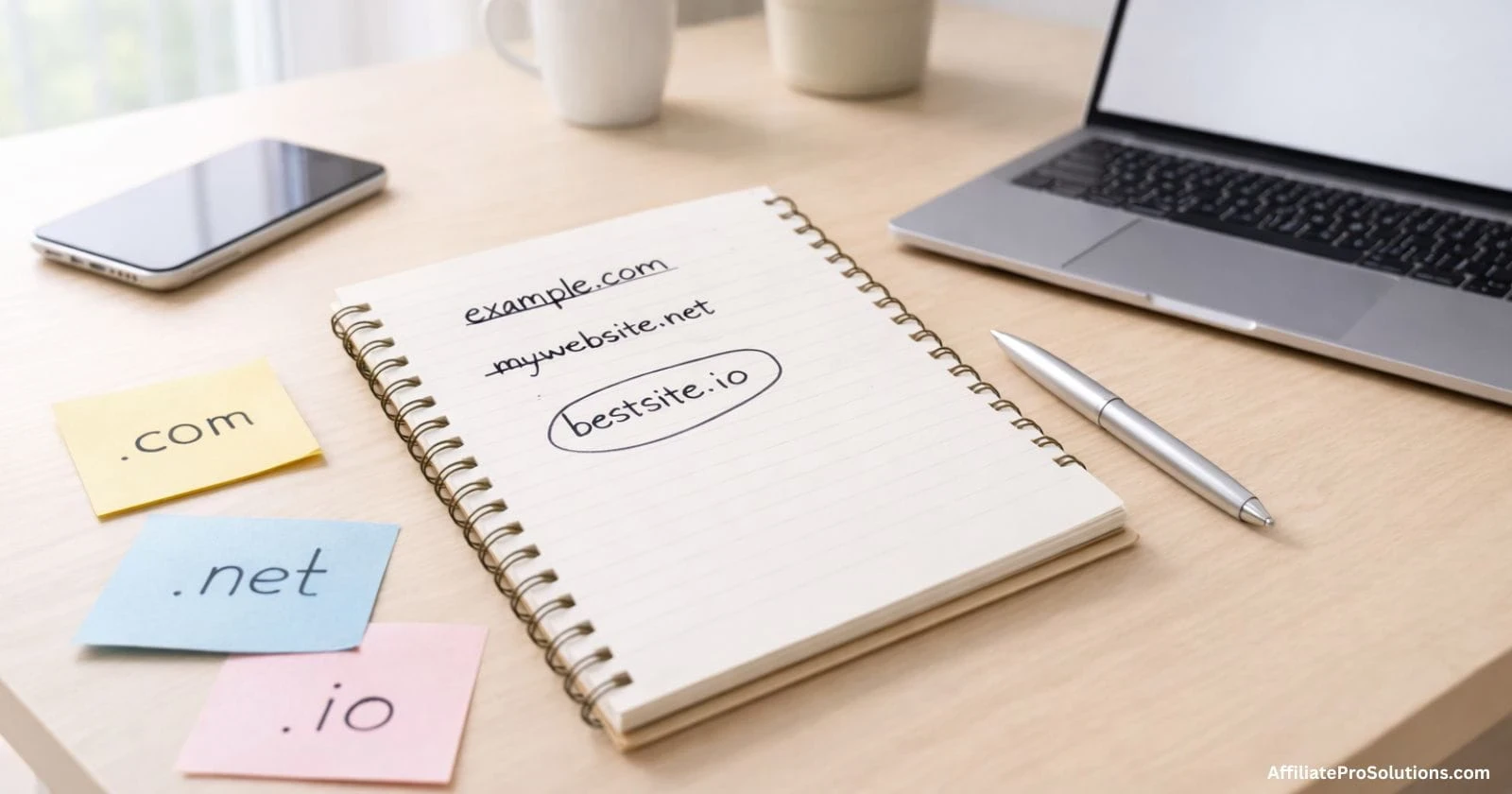
Ways to Adjust the Name Without Starting Over
Switching Up Your Domain Extension
If the exact domain name you want is already taken, another option is for you to look at a different extension.
Most people still prefer to choose a .com domain because it’s more familiar and easy to remember, but it’s no longer the only reliable choice. These days, a wide range of other extensions have become normal to see, including options like .net and .org, along with more specific ones such as .tech, .io, .store, or country based endings like .co.uk.
Yes, the older extensions still tend to feel more familiar simply because people have seen them for years. The newer extensions can still work well though, especially when they give people an idea of what the site is about.
For most visitors, the extension itself isn’t something that important. What’s worth keeping in mind is that if someone else already owns the .com version of the name, there’s a chance for confusion later on, especially if that site is active.
That doesn’t mean you should forget about this option, just that it’s something to be aware of before you decide.
Checking for Trademarks and Name Conflicts
Finding an available domain name doesn’t always mean you’re plain sailing. Be sure to take a moment to check whether any other businesses or products are already using a similar name in the same area, especially if you’re planning to build something long term.
This is where people can get caught out.
You might register the domain, set everything up, and find out later that someone else already has legal rights to the name in your chosen field. That can lead to problems, takedown requests, or even having to start again from the beginning.
Doing a quick trademark search in your country can help you avoid that situation. It’s always better to make sure you’re not stepping on someone else’s toes. Spending a bit of time here can save you a lot of stress later.
Making Small Changes to the Domain Name
Sometimes the easiest way is to make a small change to the domain name rather than scrapping the idea altogether. I have had to do this a lot in the past when trying to grab a domain name.
Adding a short, natural word to the beginning or end of the name can give you some more options without changing what the site is really about. Small additions like get, try, the, my, online, or shop are common for a reason. They’re common, easy to understand, and they don’t feel out of place.
What matters the most is keeping the domain name short and easy to say out loud.
Long or awkward combinations are more difficult to remember and annoying to type. Clear words and simple additions will stick better, especially for people who might only see your website once and need to try and remember it later.
Does Your Domain Need to Match Your Business Name?
A lot of people are confused with the idea that their domain name has to be the same as their business name exactly. This thought process causes more hesitation for people than it should.
In practice, the domain doesn’t need to be a perfect copy of the name you use elsewhere.
What usually matters more is this:
- The domain is easy to read and say out loud
- It’s simple enough to remember after seeing it once
- It clearly relates to what the website is about
- It doesn’t feel awkward or out of place
Having small differences between a business name and a domain name are very common.
Trying to keep everything identical will mostly lead to longer, more awkward names. The more simple an address is, the easier it will be to work with.
Using Abbreviations When Your Options Are Limited
When the obvious domain choices have already been taken, using abbreviations can sometimes give you a bit more breathing room, especially if the business name is on the longer side. They can work, but only if they’re clear and they don’t need an explanation.
If the shortened version only makes sense to you, it’s probably going to confuse the hell out of everyone else.
I usually look for abbreviations that come across as natural or read like a real word. That makes them easier to remember and easier to say. If you’re not sure, it’s worth saying the name out loud or asking someone else to read it and repeat it back to you.
If they hesitate or read it the wrong way, that’s usually a sign it’s not the best choice.
Hyphens and Their Uses and Drawbacks
Hyphens mostly come to people’s minds when all other options have already been ruled out. There’s nothing technically wrong with using one, but they do come with a few downsides that are worth mentioning.
- Domains with hyphens are harder to say out loud
- They’re easier to mistype and/or forget
- People often leave the hyphen out when typing
- They don’t look as clean as a single word
If you really can’t find an available option without a hyphen, using one is still possible.
If this is the case, it’s best to keep it simple and readable and try to avoid using more than one. Once you start using more hyphens, the domain name becomes awkward very quickly.
Where possible, it’s usually better to try other small changes first before settling on a hyphen.
Additional Beginner Info & Resources
Being Creative with Descriptive Phrases and Locations
Another option is to add a descriptive word that gives people a better idea of what the website is for.
Words that point to what you actually offer can give you ideas for more domain name choices and make the address easier to understand. It also helps to set the expectations before someone even clicks through.
Location based names can work in a similar way. If your site represents a locally based business in a specific city, town, or country, adding that detail to the domain can be natural and relevant. It makes perfect sense for local services or businesses that are clearly tied to the area.
The only thing to think about here is the long term.
A location in the domain can narrow how the site is seen later on. If you plan to stay local, that’s fine. If you think you might want to reach a wider audience in the future though, it’s worth having a think and deciding whether you’re comfortable with that direction before committing to it.
When the Extension Becomes Part of the Name
Some people choose domain names where the extension forms part of the word itself. It’s usually done to shorten the name or make something unavailable work.
In these cases, the ending isn’t just the dot at the end. It’s meant to be read as part of the name.
This kind of setup can look quite neat on screen, but it relies on people recognising the extension and understanding how to read it. Not everyone is used to seeing anything beyond the usual options, and that can cause confusion, especially when the name is said out loud.
For certain audiences, doing this can be fine. For others, it adds another step that doesn’t need to be there. It’s worth thinking about who the site is for and how comfortable they are with less familiar domain endings before going further down this route.
Avoiding Lookalike and Confusing Names
Using a domain name that’s only one letter away from an already existing brand can cause problems. Tricky spellings or names that look almost the same might seem like an easy way to do things, but they can create more problems than they can solve.
People can easily end up on the wrong website, especially when typing the address by hand or hearing it said out loud. On top of that, names like this can raise legal concerns if they’re too close to something that already exists.
From my experience working with multiple websites, it’s usually better to avoid anything that looks or sounds similar to an established name. A domain that feels clearly its own is easier to work with and it avoids confusion for everyone involved.
Knowing When to Stop Searching for a Domain Name and Move Forward
When to Walk Away and Pick a New Name
Sometimes the domain you want just isn’t worth trying for any longer. It might already be tied to a well-established website, the asking price may be unrealistic, or every good extension has been taken. At that point, it really is what it is.
When that happens, taking a step back and choosing a different name can actually make things a lot easier, even if it doesn’t feel that way at first.
Going after one idea for too long can slow everything else down. Instead of getting on with more important things, you end up stuck looking at different options that aren’t really going anywhere. Choosing a new name that’s available right now lets you get on with building your website instead of chasing after a domain that keeps holding you back.
Domain names that have been around for years come with a history and recognition attached to them. Competing with that from day one can be hard work.
Starting with a fresh name removes the baggage that comes with an established one and puts you in control from the beginning.
What Matters Most Beyond the Domain Name
When I first started online, all those years ago, I spent far too much time worrying about getting the right domain name. I thought everything depended on it, and I couldn’t do anything else until it was correct and in place. Looking back on it, that time would have been better spent actually building something.
What really matters isn’t the name itself. It’s what you build behind it. The content you publish, how clear your message is, and how consistent you are all matter far more than having the ideal web address.
A good domain can help, of course, but it isn’t the reason a website succeeds or fails.
Plenty of well known websites started with names that didn’t mean that much at first. They became memorable because of the work that was put into them, not because the domain name was perfect.
Why Progress Matters More Than the Domain
Running into a taken domain name doesn’t need to turn into a bigger problem than it already is. It’s something most people come across when they’re starting out.
What matters is how long you stay stuck on it.
There are lots of good domain names available if you’re willing to keep looking. Just going with a domain name you can start with is much better than just sitting there while you wait for a name that may never become available.
Every website that’s now well established had to work around something in the early days. The difference is that they kept going. They didn’t let one decision hold everything else back.
Getting something live and building from there will always take you further than waiting for things to line up perfectly, because most of the time they don’t.
Checklist To Use If Your Preferred Domain Name Is Taken
| Check what’s actually on the domain by typing it into a browser. | An active website usually means it’s not worth going after. A basic placeholder may give you more options. |
| Look up the public registration details using a WHOIS lookup. | This can show when the domain was registered and whether it’s being held privately or for resale. |
| Only consider contacting the owner if there’s a clear way to do so. | If there’s no contact route, don’t keep searching. |
| Be realistic about pricing and extra costs. | Take into account the asking price, transfer fees, and renewal costs before taking any action. |
| Don’t sit around waiting forever for a domain to expire. | Waiting can slow down everything else, and there’s no guarantee it will ever become available. |
| Try other domain extensions that still feel appropriate for the site. | The extension matters less than people think, as long as the name is clear. |
| Do a quick trademark check before committing to anything. | This helps avoid problems after you’ve already set things up. |
| Add a simple, relevant word if the exact name isn’t available. | Short additions will often open up some good options without changing the idea behind the site. |
| Focus on clarity rather than making the domain identical to your business name. | Easy to read and easy to remember is best. |
| Use abbreviations only if they’re obvious and don’t need explaining. | If people hesitate when reading it, that’s a sign to try again. |
| Avoid hyphens unless you’ve run out of all other options. | If you use one, keep it to a single hyphen and make sure it’s readable. |
| Add a descriptive word or location only if it suits the site. | Think about how that choice affects things later on. |
| Stay away from names that look or sound too close to existing brands. | Confusion and legal issues are not worth the chance. |
| If nothing is working, step back and choose a new name. | An available domain lets you get started instead of staying stuck. |
Frequently Asked Questions – FAQs
When a domain name is taken, the first thing to do is check how it’s being used. Type it into a browser and see whether it’s an active website or just a parked page.
From there, you can decide whether it’s worth looking into buying it, making a small change to the name, or choosing a different extension. In many cases, going with a clear and available name is the quickest and least frustrating option.
If your domain name is already taken, it doesn’t mean you need to start all over again. You still have options. You can look at small wording changes, try a different extension, or decide whether contacting the owner makes sense.
What matters most is not letting this one step stop you from getting your website online.
If your domain name is already taken, it doesn’t mean you need to start all over again. You still have options. You can look at small wording changes, try a different extension, or decide whether contacting the owner makes sense.
What matters most is not letting this one step stop you from getting your website online.
For most websites, .com is still the safest and most familiar option. People recognise it instantly and tend to trust it without thinking twice.
That said, .io has become popular in certain industries, especially tech related websites. There’s no real ranking advantage between them.
The better choice usually comes down to who your audience is and how comfortable they are with newer extensions.
.io became popular mainly because of its connection to the tech world, where “I/O” is short for input and output. It also became easier to find short, clean names using .io when many .com domains were already taken.
While it seems to be working for some audiences, it’s still less familiar to many people, so it’s worth thinking about whether your visitors will immediately understand and trust it.
Tips I Wish I Knew When First Picking Domain Names
When I started building websites, I spent far too long stuck on domain names. On my first attempt, I remember it took me over 2 weeks. I just couldn’t decide. I treated them like they had to be perfect before I could do anything else, and that brought me to a standstill.
One thing my experience has taught me is that the first idea is not usually the one you end up using. Once you take a step back, other options usually show up that feel a little easier to live with.
I’ve also learned that waiting too long can cost you good names. If something is available, readable, and doesn’t cause confusion, it’s better to secure it and move on rather than keep searching for something slightly better.
Short, straightforward names have caused me fewer problems over the years. If a domain needs explaining or spelling out every time, it will become a nuisance later on.
These are things I only really learned by getting it wrong first. Now, they’re the checks I run through without thinking whenever I’m choosing a domain name.
If You’re Still Stuck, Here’s What to Do Next
If you’ve gone round in circles with domain searches and nothing is working out for you, it’s usually a sign to stop rather than keep pushing. At that point, it helps to narrow things down. Pick one or two adjustments, such as a different extension or a small wording change, and work from there instead of trying endless variations.
Make a short list of a few names you’d actually be happy to use and check those. Once you find something that’s clear, available, and doesn’t cause confusion, it’s better to commit to it and move on rather than keep searching for something that’s slightly better.
You don’t need the perfect domain to get started. What really matters comes after the name. Getting the website live and working on it will take you much further than waiting for everything to line up exactly as you want it.
If this post helped you think things through or saved you some time, that’s a good result. And if you’ve been through this yourself, feel free to let me know.
Most people run into this problem at some point.
Thank you, and please leave your thoughts and comments below.
Chris
Wealthy Affiliate
This is where my journey into the online world began, and it’s still the community I use for learning, tools, and support while working on my own projects.
About Chris Towers – Follow Me

My name is Chris Towers, and I run Affiliate Pro Solutions. I work with websites, content, and affiliate projects, and this website is where I share what I’ve learned from doing that work.
Most of what I write about comes from researching hosting companies, tools, and platforms that people use when building websites or trying to earn online. I look at how things are set up, what’s included, and where people often get caught out later.
I’m not connected to the companies I review beyond standard affiliate partnerships. This site does include affiliate links, but the aim here is to explain how the services work rather than push anyone into a decision.
You’ll find me on
Related
- How To Choose Domain Extensions For Niche Sites

- What Should I Do If My Domain Name Is Taken? Your Next Steps
- Starting An Online Business While Working Full Time & Succeeding
- The Ways To Avoid Scams Online and Keep Yourself Safe
- The Best Sites For Building Your Own Website On – Expert Picks!
- Top 5 Mistakes To Avoid When Starting An Online Business



Just to be open with you, this page includes affiliate links. If you click on one of these links and make a purchase, I earn a small commission. There is no extra cost to you at all. This simply helps support the content I share here. Thank you for your support, it really is appreciated.
Thanks Chris. I’ve only just started working on my first website and I’ve already run into the whole “domain taken” problem, so this came at the right time for me.
It helped to see that there are a few normal things you can do instead of scrapping everything and starting again. Checking how the domain is being used and making small changes was a lot easier than I expected.
I’ve also been thinking about using my own name as a domain, because so many other options are already gone. Is that a good way to start, or can it cause problems later on if my site changes direction?
Thanks for sharing Celia, and you’re definitely not alone with this. Pretty much everyone runs into this at the start.
To answer your question, yes, using your own name can be a good option when you’re starting, especially if you’re not 100% sure where the website will end up in the long run. It gives you flexibility and you can avoid getting yourself boxed in by a name that’s only good for one topic.
The main thing is to keep it simple and easy to remember. If the name becomes long or awkward, that’s usually where people have trouble. Aside from that, it’s a perfectly reasonable way to get moving instead of being stuck on domain choices.
Appreciate you passing by.
Chris
This brought back memories for me of my search for my domain. I’ve definitely lost a name, then spiraled for an hour trying 50 variations like it was life or death. The advice to slow down and check how it’s actually being used is the part most people skip.
Taking the time to look towards your goal, how you will use your name in the future, and how it will fit the brand you are creating is very important.
When the .com is taken but parked, do you usually try to buy it, or do you just grab a clean alternative and move on?
If the .com is parked, I’ll usually take a quick look to see what’s going on, but I don’t get too attached to it. If there’s an obvious “for sale” sign and the price is something to think about, I might consider it.
To be honest though, I think most of the time parked domains come with prices that aren’t worth it.
As a rule, I’m more likely to grab a clean alternative and move on. An available name you can actually start using beats waiting around or paying over the odds for a domain that isn’t doing anything for you yet.
Thanks for sharing your experience too Michael.
Chris